

people and society
HEMA for everyone
Since our foundation, almost 100 years ago, HEMA’s aim has always been to sell products that are accessible and affordable by everyone. We want everyone to feel welcome and able to be themselves: our customers, our employees at our stores, distribution centres, offices and production chain and our stakeholders. Our guiding principle is that everyone is equal and should be treated with the respect and dignity they deserve. We constantly work to ensure this is actual practice. This principle is set out in our code of conduct.

throughout the whole value chain
In a global economy, it is important to pay attention to good working conditions in all production chains and all countries where our products and materials come from. Not all countries protect human rights or provide a social safety net as we are accustomed to in the Netherlands and Europe. HEMA believes it is important to care about the conditions of everyone involved in our production chain in other parts of the world.
HEMA is committed to protecting human rights throughout our business operations, value chain and in the communities where we and our suppliers operate. We follow the international OECD guidelines for human rights and environmental due diligence. By applying these guidelines and procedures, we continuously monitor and assess human rights compliance in all our business activities and take action where necessary. This statement explains how we implement and safeguard the guidelines within HEMA.
improving working conditions
In order to improve working conditions, it is essential to know your partners in the chain and how they work. HEMA has collaborated with most of our suppliers for years. More than 75% of our suppliers have been our business partners for longer than 5 years. If something is not right, we want to know about it. We also publish a list of all our production sites online.
Before HEMA starts collaborating with a particular production site, HEMA asks an external party to carry out a Minimum Requirement social compliance (MRQ) audit. This audit includes assessing the working conditions at the site. If the site complies with HEMA’s minimum standards, we draw up a development plan together with the production site. In this way, HEMA cooperates with the production site to ensure that the working conditions are continuously improved.
HEMA has been a member of Amfori since 2003. Amfori is an international organization for open and sustainable trade and has developed an international standard for the protection of workers. The standard includes normal working hours, prevention of child labour and a safe working environment. We ask production sites in high-risk countries to plan an audit for compliance with Amfori's standard after a year. This audit is also known as a Business Social Compliance Initiative (BSCI) audit. Production sites that can demonstrate compliance with the standard before collaboration with HEMA begins are excepted from the initial audit with respect to human rights and environmental protection.
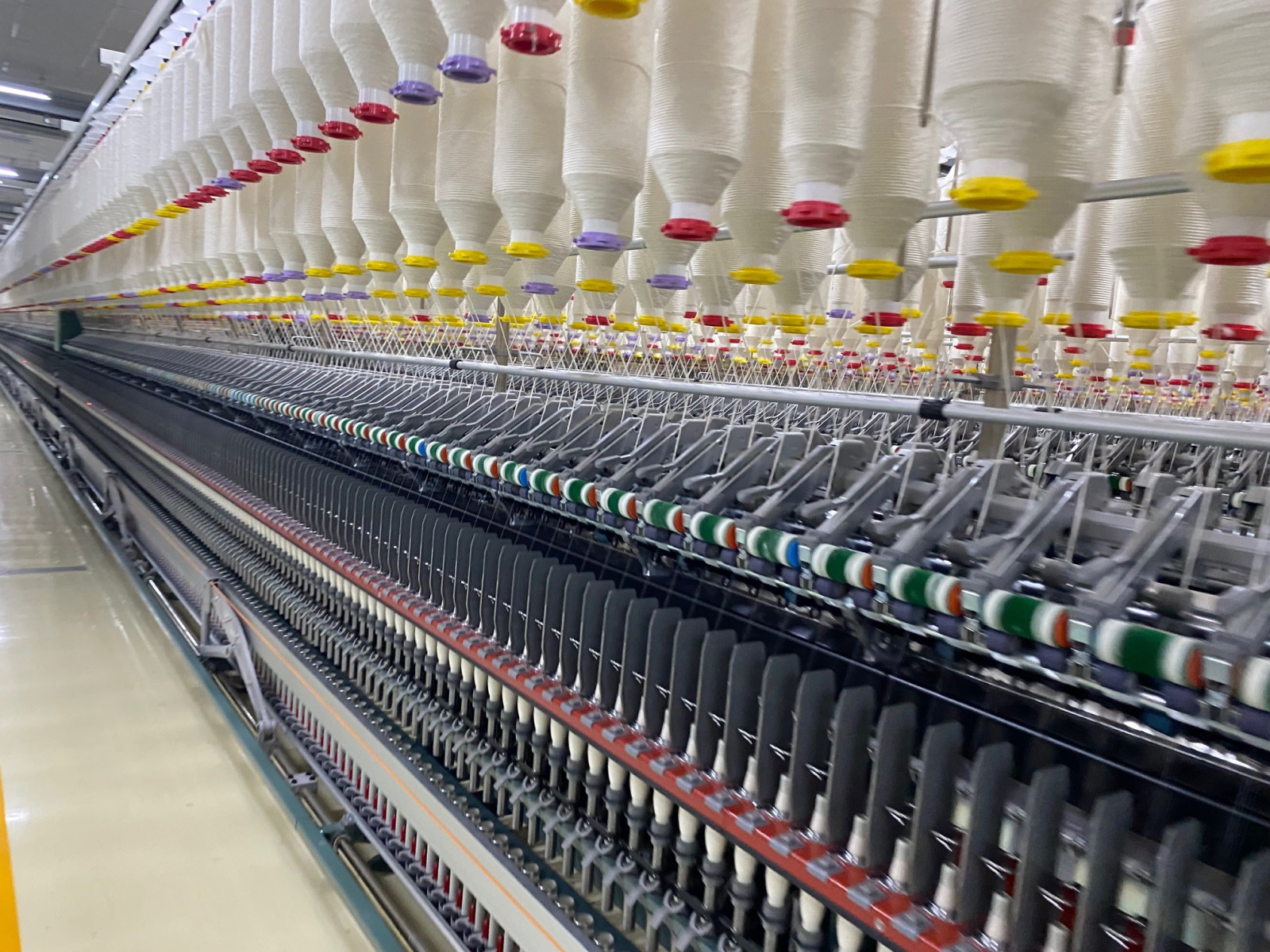
living wages
Living wages are one of the most important factors in improving the position of workers in the production chain. A living wage helps workers to buy healthy food, clothing and afford good accommodation.
HEMA expects all suppliers and production sites to protect their employees and pay them adequate wages for their work. In high-risk countries[1], we often see that more is needed because there is a gap between the minimum wage and a living wage. We monitor employee wages through Amfori, BSCI audits and our partner IDH (Sustainable Trade Initiative). HEMA has drawn up a living wage plan. In our living wage roadmap you can read more about our ambition and plans.
grievance mechanisms
If, despite HEMA’s efforts and precautions, something is wrong, we want to know about it. We have taken the following measures and participate in the following initiatives:
- HEMA is developing external complaints and grievance mechanisms so that workers in the chain can report improper conditions through external channels. We are basing our approach on Amfori’s Speak for Change Programme.
- HEMA is a signatory of the International Accord, Bangladesh Agreement and the Pakistan Agreement. These agreements are intended to create safe working environments.
[1] According to Amfori Country Risk Classification